Rediscovering Film: Celebrating Black Photographers and the Art of Analog in Modern Photography
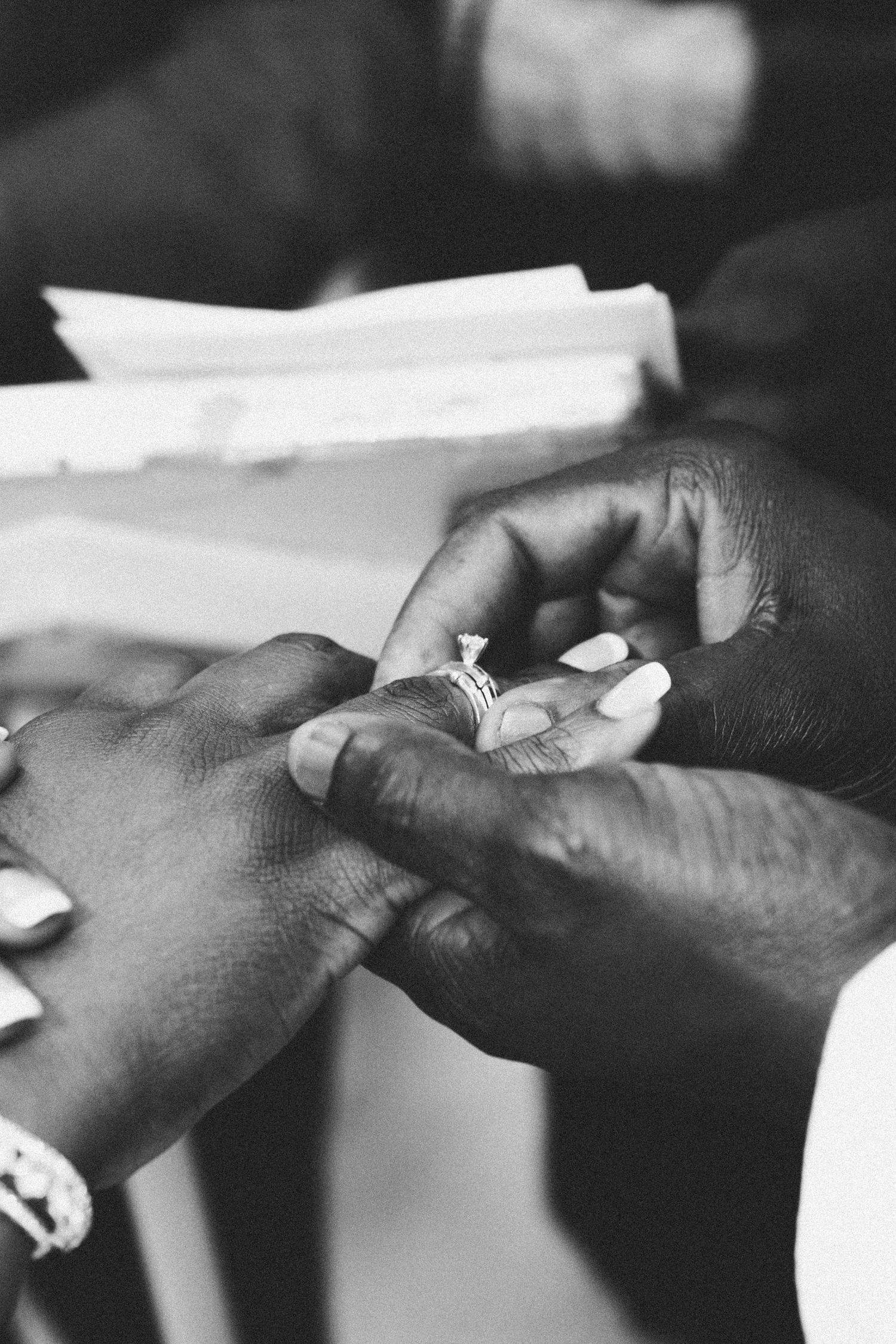
In a digital world, film photography is experiencing a powerful resurgence, not just as a medium but as an art form that speaks to authenticity, nostalgia, and craftsmanship. This revival has sparked renewed interest in prominent Black photographers who have used film to tell stories, preserve culture, and make powerful statements. At Jean-Gilles Photography, we’re excited to honor this legacy by offering film photography as part of our packages, allowing clients to experience the beauty of analog in a modern context.
Why Film Matters in Today’s Digital Age
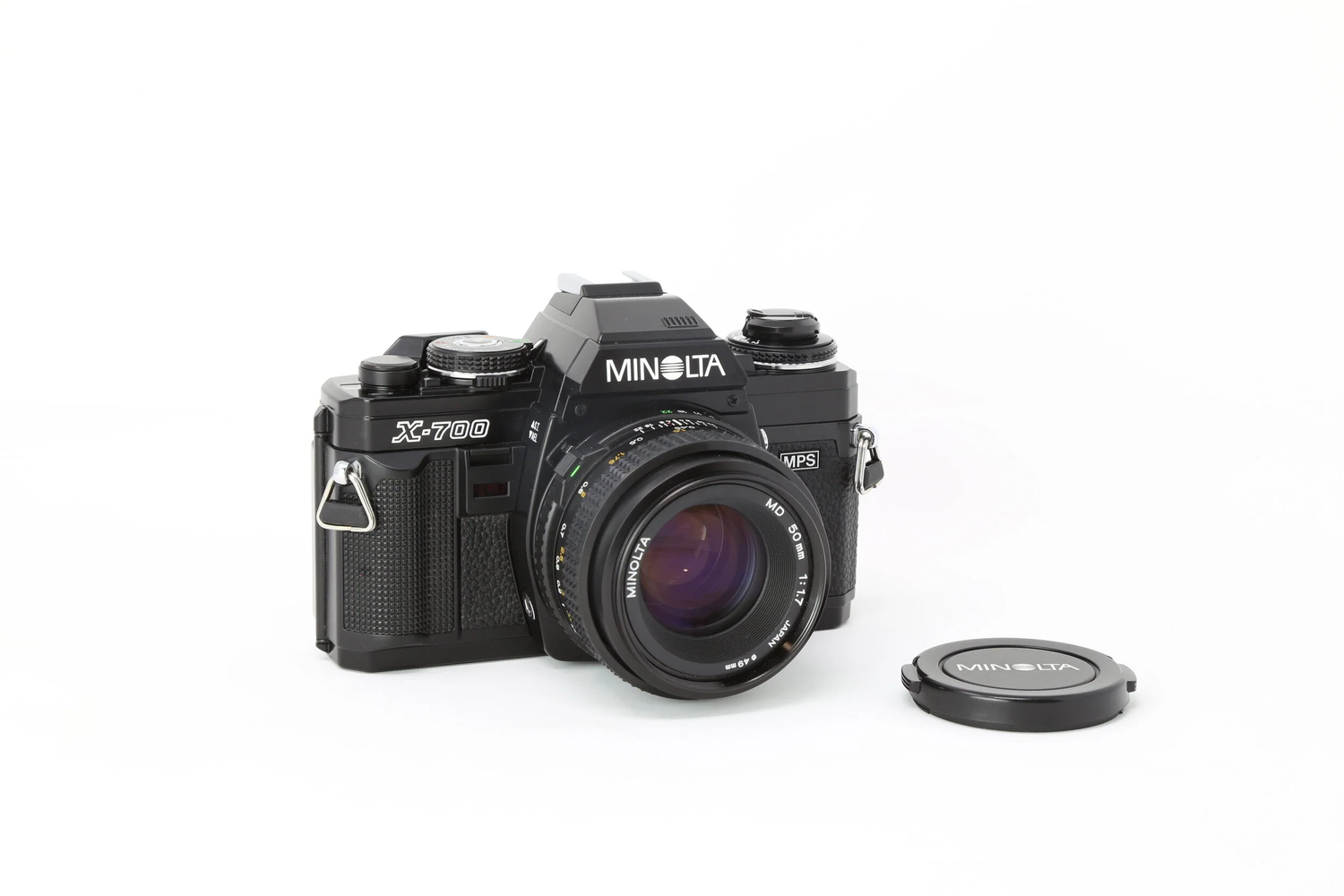
In an era of high-speed technology, film photography stands as a testament to the power of intention, patience, and skill. Each shot taken on film is deliberate, and the physicality of the process requires a level of care that is often lost in digital. Film images possess unique qualities—such as a richness of color, texture, and depth—that digital photos often can’t replicate. This is particularly relevant today, as many photographers and clients are drawn to the organic, “imperfect” look of film.
The trend toward film isn’t just about aesthetics; it’s about connecting with the history and tradition of photography itself. Many Black photographers have turned to film as a way to document culture, identity, and everyday life with a sincerity and timelessness that resonates deeply. Today, artists like Jamel Shabazz and Dawoud Bey continue to inspire the new generation, demonstrating how film photography is both an art and a form of cultural preservation.
Black Film Photographers Who Changed the Game
The world of film photography has seen contributions from many talented Black photographers whose work has become iconic, shaping the landscape of the art form.
- Roy DeCarava – Known for his deeply emotional and intimate portraits of Harlem life, DeCarava captured the essence of Black culture and everyday experiences in New York during the mid-20th century. His mastery of light and shadow and dedication to telling real, honest stories have made his work timeless.
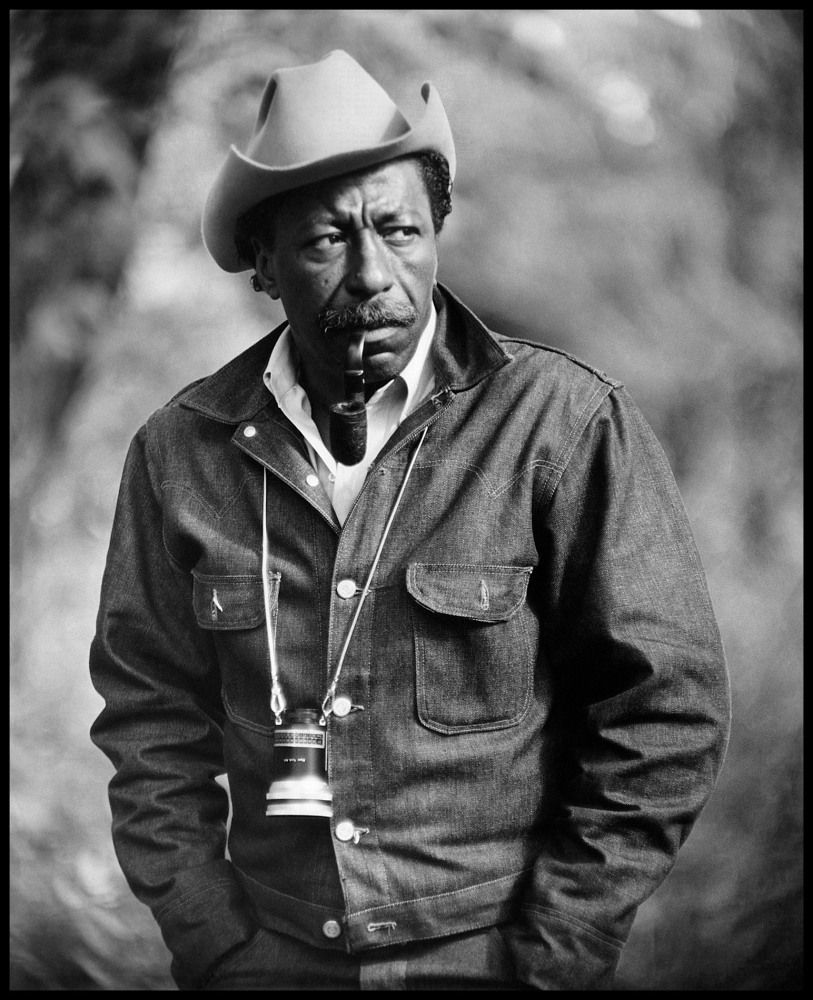
- Gordon Parks – Parks was a groundbreaking figure not only in film photography but in the entire field of photojournalism. His work brought attention to the realities of poverty, racism, and the Black experience in America, often blurring the lines between art and activism.
- Carrie Mae Weems – With a keen eye for storytelling, Weems has used film photography to explore themes of race, gender, and history. Her work challenges viewers to confront uncomfortable truths, showcasing the power of film as a tool for reflection and change.
These photographers and many others have left an indelible mark on photography, and their legacy continues to influence the resurgence of film today.
The Different Forms of Film Photography: Medium and Large Format
When it comes to film, photographers have a range of formats to choose from, each offering distinct advantages and stylistic possibilities. Medium and large format film photography are two popular choices, and they’re perfect for capturing specific moods and subjects.
- Medium Format: Known for producing sharp, high-resolution images, medium format film is often the choice for portrait and editorial photography. Medium format film creates beautiful color and dynamic range, giving images a lush, detailed quality. It’s an ideal choice for those looking for a slightly larger-than-life feel in their photos, whether capturing the beauty of a landscape or the nuances of a portrait.
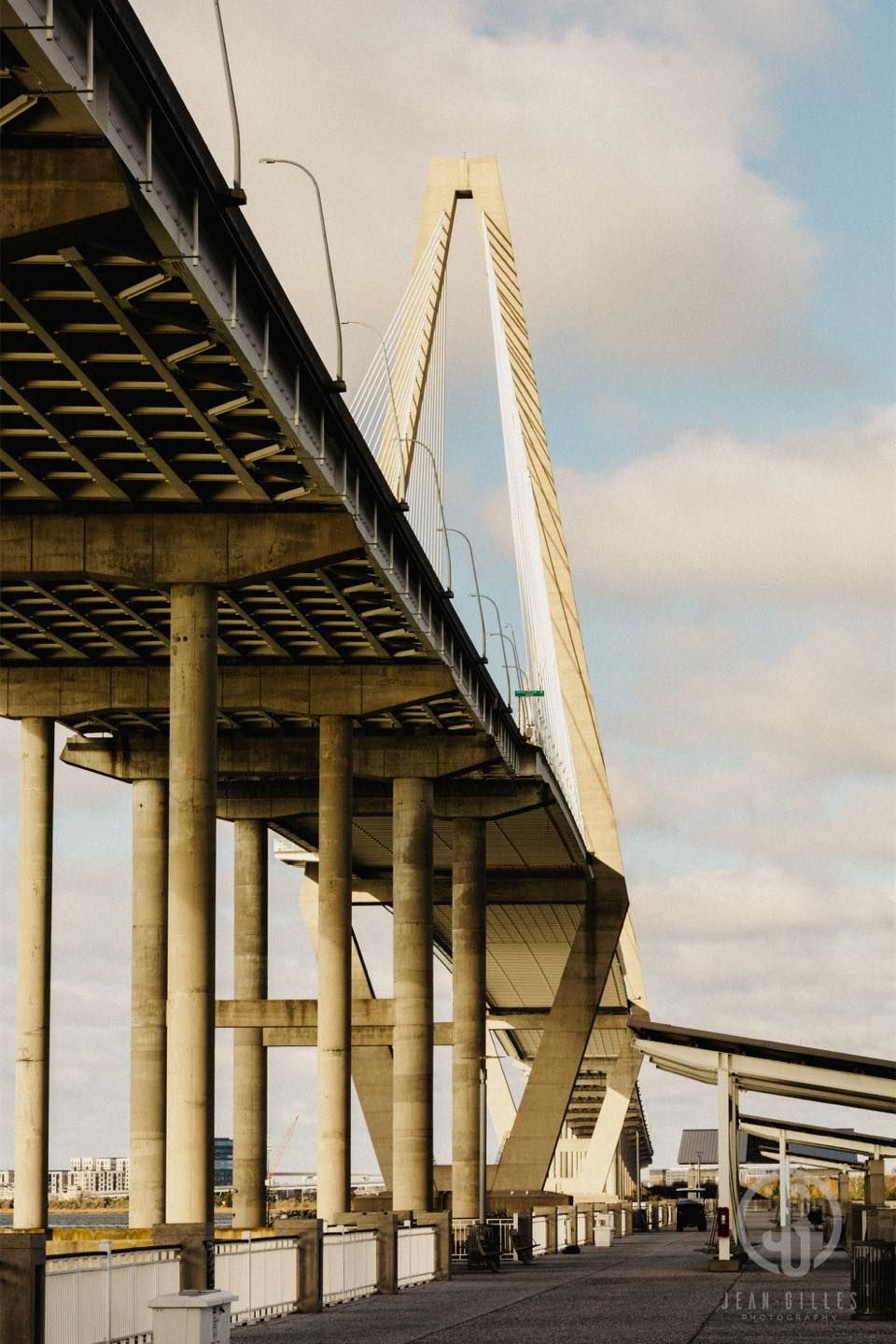
- Large Format: This type of film photography requires even more patience and precision, as it’s captured on much larger negatives. Large format photography produces extremely high detail, allowing for massive prints without any loss of quality. It’s a popular choice for landscapes, architecture, and fine art portraits, offering a “wow” factor that’s hard to match. The process may be slow, but the results are breathtaking, with detail so sharp and depth so intense that each image feels like stepping into the scene.
Why You Should Consider Film Photography in Your Session
Whether you're drawn to the warm, nostalgic look of film or the artistic process behind each frame, incorporating film into your photography session adds a timeless quality that digital can't fully replicate. At Jean-Gilles Photography, we offer film photography as an add-on option in our packages, allowing you to blend digital and film to capture both contemporary and classic perspectives.
When you choose to add film, you're investing in a piece of photographic art. The waiting time to develop and scan each roll of film becomes part of the experience, creating a sense of anticipation and surprise that’s often missing in the instant nature of digital photography. With film, each photo is precious and intentional, preserving moments in a way that truly lasts.
Experience the Beauty of Film with Jean-Gilles Photography
Film photography allows us to slow down, to connect with each frame in a more thoughtful and intentional way. For clients who want something unique, nostalgic, and rooted in a rich photographic tradition, film offers an unparalleled experience. If you’re interested in incorporating film into your session, contact us at Jean-Gilles Photography for details on our film add-on options.
Rediscover the beauty of film. Honor the legacy of Black photographers who shaped this art form. Let’s create something timeless together.