There are few moments in life more sacred than a wedding.
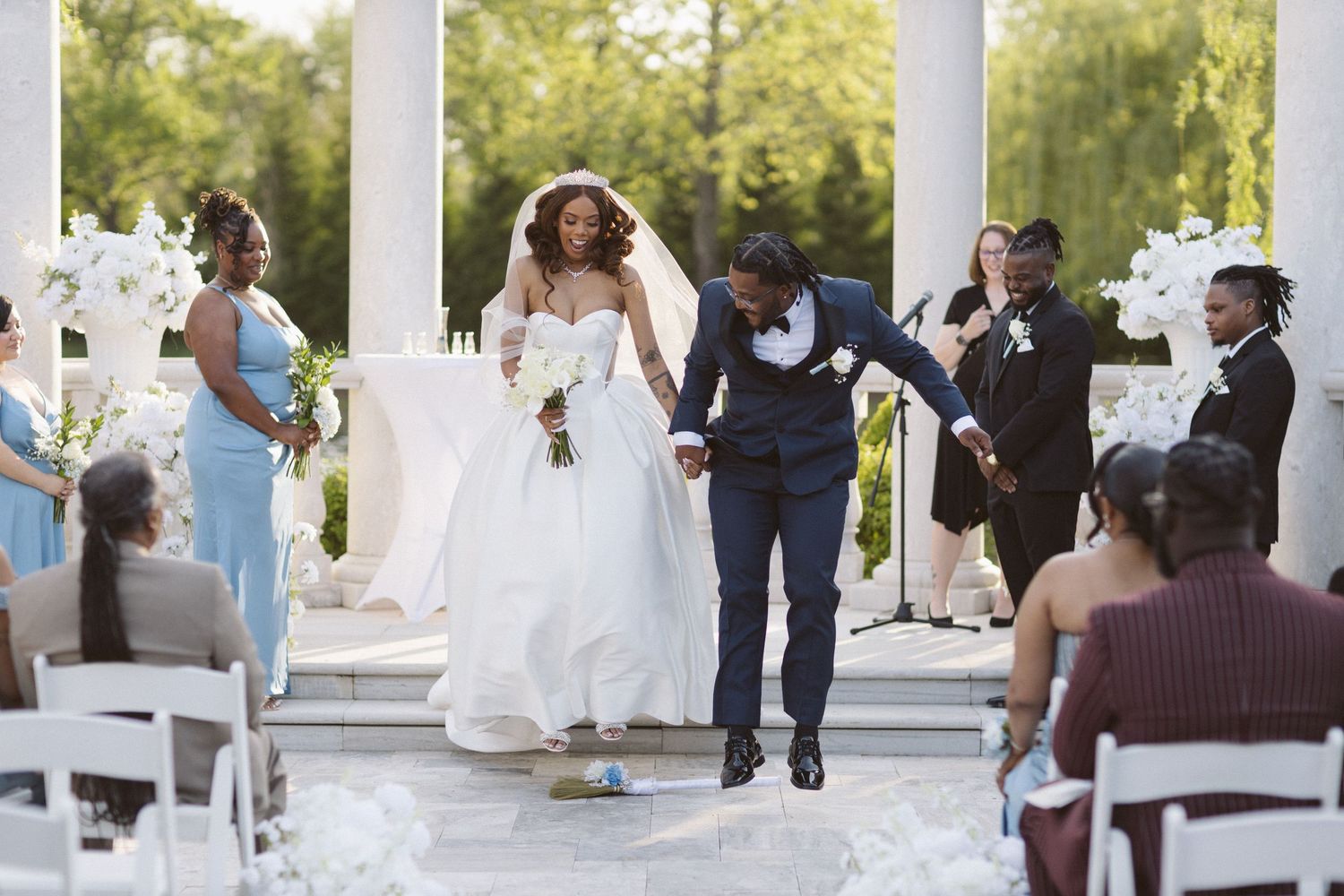
A wedding is the public declaration of a covenant—a celebration of love, family, hope, and a shared future. Because of that, I believe where we celebrate those moments matters.
I do not serve as the primary photographer for weddings held at former plantations.
This is not a political statement.
It is a historical, moral, and deeply personal conviction.
For generations, plantations were not simply beautiful estates or working farms. They were places where wealth was built through the forced labor, exploitation, and dehumanization of enslaved Africans and their descendants. The elegance of the homes, gardens, and oak-lined avenues cannot be separated from the suffering that made them possible.
Perhaps the most painful irony is this:
Many of the people whose labor built these estates were denied the legal right to marry.
Enslaved couples formed loving, lifelong relationships, raised children, and built families, but those marriages had no legal recognition under American law. Husbands, wives, and children could be separated through sale at any moment because they were treated as property rather than people. After emancipation, one of the first responsibilities of the Freedmen's Bureau was helping formerly enslaved couples legally solemnize marriages that had already existed in every meaningful sense for years or even decades. The thousands of marriage certificates preserved today stand as a powerful reminder that countless people were finally being granted a right they should never have been denied in the first place.
That history matters.
Today, many former plantations operate as luxury wedding venues. Some have worked to present a more complete account of their history, while others continue to market themselves primarily through images of grand architecture and Southern charm. Regardless of how they are presented, these venues continue to generate revenue from places whose original prosperity depended upon human bondage.
I understand that most couples who choose these venues are not celebrating slavery. Many are simply drawn to beautiful scenery or historic architecture. I do not question their intentions.
But I believe beauty cannot erase history.
As someone whose vocation is preserving memories, I cannot ignore the story embedded in the place where those memories are created. When the setting itself represents generations of stolen freedom, broken families, and denied dignity, I cannot separate the celebration from the location that frames it.
Why This Is Personal
I am a photographer of Haitian descent.
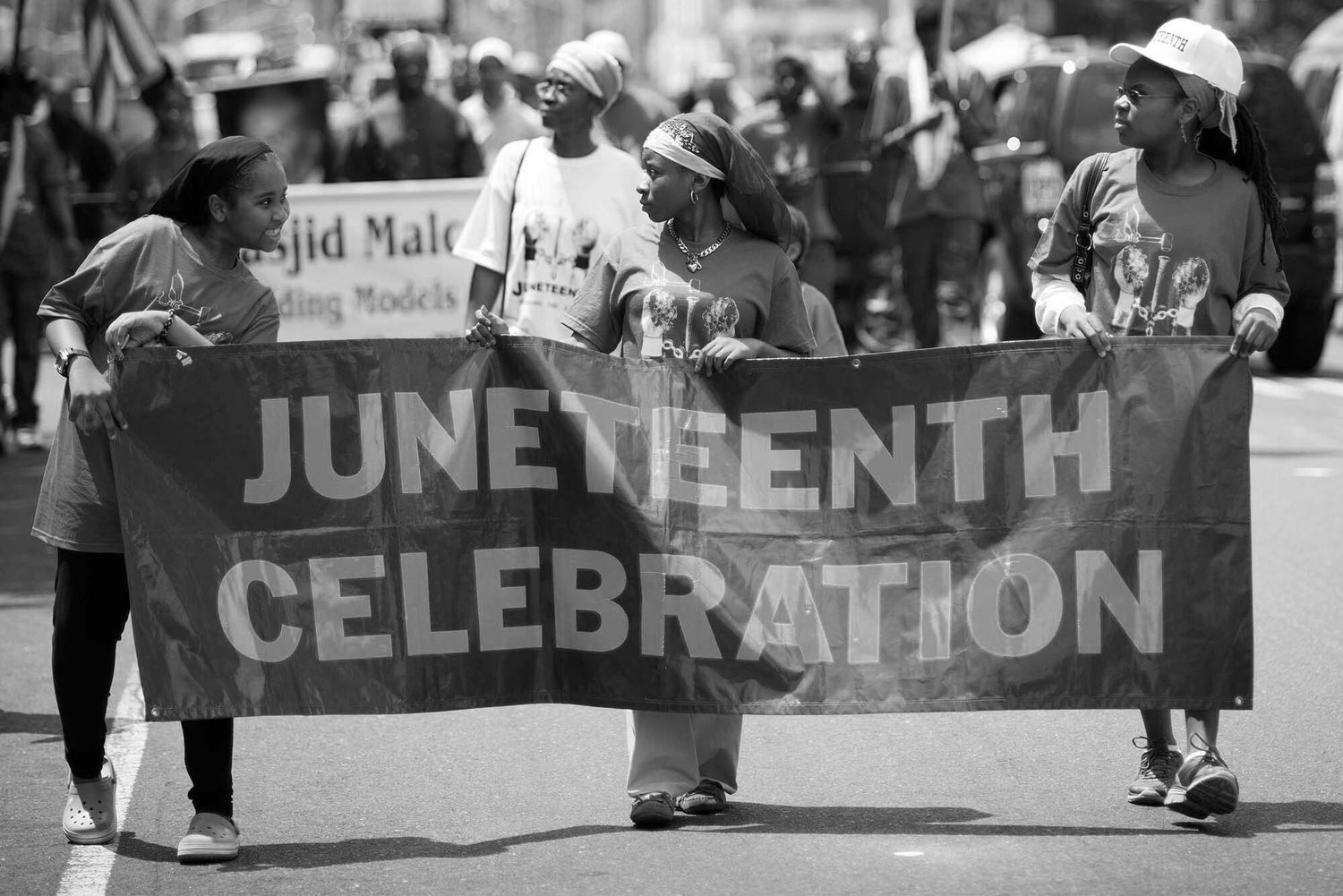
Haiti holds a singular place in world history as the first independent Black republic and the only nation founded through a successful revolution led by formerly enslaved people. That history is not simply something I admire—it is part of my own heritage. It shapes the way I think about human dignity, justice, and the legacy of slavery throughout the Americas.
Because of that, photographing weddings at plantations is not something I can do with integrity.
I recognize that others may come to a different conclusion, and I respect their freedom to make that decision.
But I have chosen to draw a clear line for my own business.
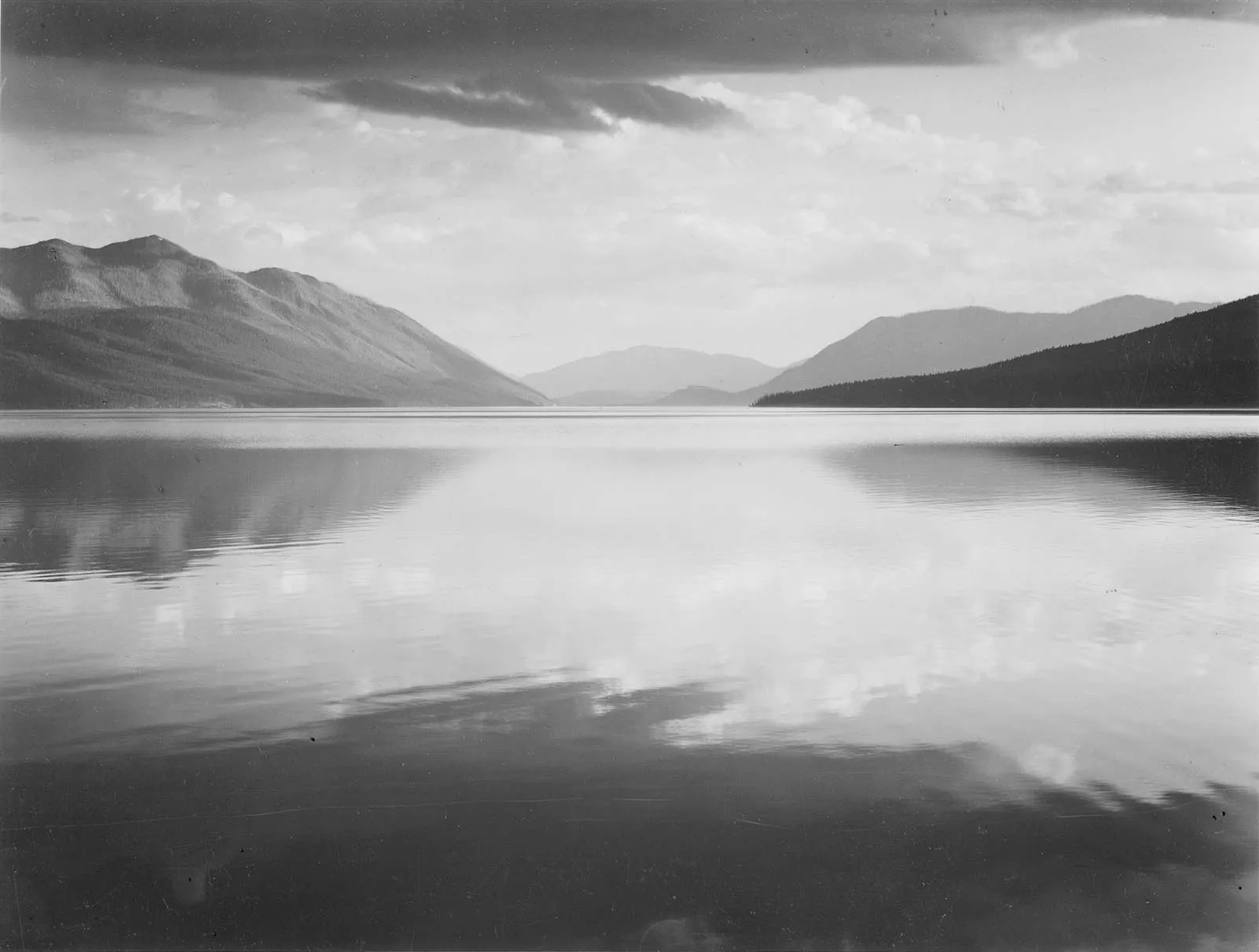
There are countless beautiful venues throughout the South—historic churches, gardens, museums, waterfronts, estates with no ties to slavery, family properties, and modern event spaces—that allow couples to celebrate their marriage without asking a site of enslavement to become the backdrop.
Those are the stories I want to tell.
Love deserves to be celebrated in places where its history is not overshadowed by the denial of someone else's humanity.
For that reason, I respectfully decline to photograph weddings held at former plantations as the primary photographer.
It is one of the few non-negotiable policies in my business, and one I hold with conviction, historical awareness, and respect for the people whose lives were forever shaped by those places.
Looking for a Different Kind of Venue?
If you're dreaming of timeless Southern beauty without the weight of a plantation's history, I'd be honored to help.
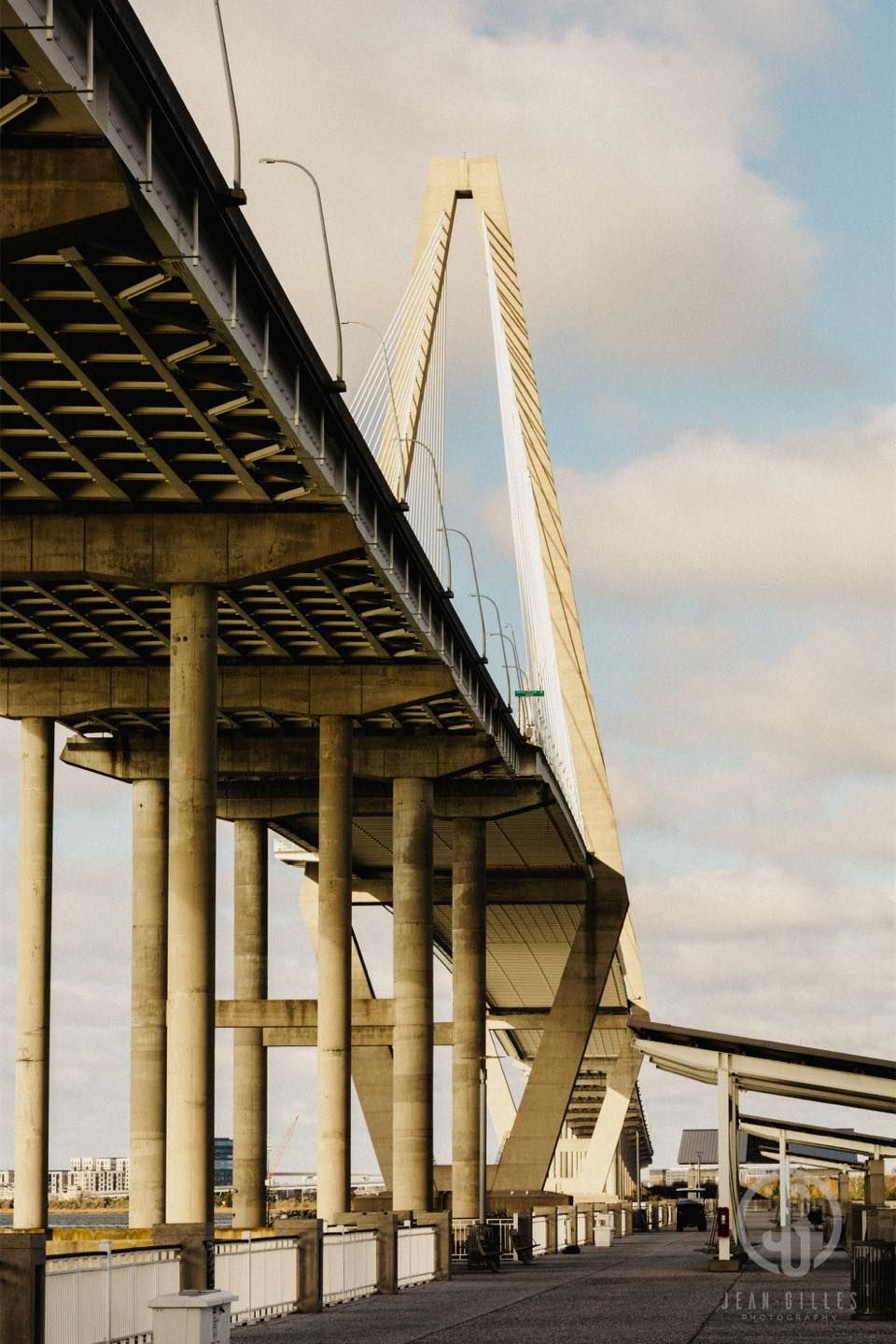
The Charleston area is home to countless breathtaking venues—historic churches, waterfront estates, private gardens, oak canopies, marshes, vineyards, museums, and family properties—that offer all the beauty, elegance, and character of the Lowcountry without asking your wedding day to share space with one of our nation's darkest chapters.
If you're still searching for the right location, I'd be happy to recommend venues that align with both your vision and your values.
My hope is simple: that your wedding day is remembered for the covenant you made, the people you love, and the joy you shared—not because of the painful history of the ground beneath your feet.
If that resonates with you, I'd be honored to tell your story.